Miao-Kun Sun, Ph.D.
Professor
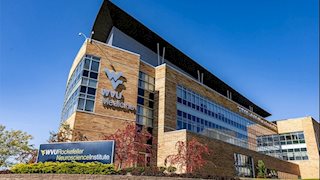
Blanchette Rockefeller Neurosciences Institute
E-Mail: mksun@brni.org
Phone: 301-294-7181
Fax: 301-294-7007
Education:
Ph.D. (Pharmacology) University of Virginia, Charlottesville, VA USA
Research Interests and Goals:
Our major research is the investigation of neural, molecular and synaptic mechanism(s) that underlie learning and memory, their vulnerability to aging, injury, and neurological and psychiatric disorders, such as Alzheimer’s disease, cerebral ischemia/hypoxia/stroke, depression, and traumatic brain injury, and the underlying factors in these disorders. We also investigate the development of potential pharmacological treatments with desirable safety and pharmacokinetics to reverse and/or prevent these memory disorders. Our ultimate research goals are to define physiological/pathological mechanisms underlying memory/memory disorders and to develop therapeutics that can be used for clinical treatment of memory deficits.
The technologies we use to ascertain these goals are behavioral tests and electrophysiology. The former includes water maze spatial learning and memory task, passive avoidance task, open space swim test, and cerebral ischemic/hypoxic models. Electrophysiological techniques, such as intracellular and whole-cell recordings, are employed to evaluate membrane and cellular responses. Ultra-structural changes, such as synaptic deficits, synaptogenesis, and expression of signaling molecules, are investigated through collaboration with other member(s) of the Institute.
Disorders-associated memory dysfunction is common and represents an important un-met medical challenge. Restoration of the impaired cognitive capacity and neuronal networks may provide great benefits for patients with Alzheimer’s disease, stroke, and depression. We target molecular signaling cascades, such as PKC isoforms and neurotrophic peptides, to treat the memory deficits in our studies. The role of PKC-isozyme pathway dysfunction in the initial causes of Alzheimer’s disease received important support when BRNI scientists demonstrated that the key toxic Alzheimer’s protein Aβ directly inhibits PKC functions. This finding was further confirmed by another laboratory’s demonstration of the structural location on Aβ that directly combines with PKC isozymes. Our future research will be to continue to evaluate targets-specific therapeutics and pharmacokinetic and toxic profiles for their eventual usages as memory drugs by further defining mechanisms that may underlie synaptorepairing/remodeling actions of the memory therapeutics.
Recent Publications:
Sun, M-.K. and Alkon, D.L. Protein kinase C activators as synaptogenic and memory therapeutics. Arch. Pharm. 342: 689-698, 2009.
Sun, M.-K., Hongpaisan, J. and Alkon D.L. Post-ischemic PKC activation rescues retrograde and anterograde long-term memory. Proc. Natl. Acad. Sci.. USA 106: 14676-14680, 2009.
Sun, M.-K., Hongpaisan, J., Nelson, T.J. and Alkon D.L. Post-stroke neuronal rescue and synaptogenesis mediated in vivo by PKC in adult brains. Proc. Natl. Acad. Sci. USA 105: 13620-13625, 2008.
Sun, M.-K. and Alkon DL. Effects of age on susceptibility to the induction of depressive behavior and imipramine in rats. Behav. Pharmacol. 19: 334-338, 2008.
Sun, M.-K. and Alkon, D.L. 4-Methylcatechol on spatial memory and depression. NeuroReport 19: 355-359, 2008.
Alkon, D.L., Sun, M.-K. and Nelson T.J. PKC signaling deficits: a mechanistic hypothesis for the origins of Alzheimer’s disease. Trends Pharmacol. Sci. 28: 51-60, 2007.
Sun, M.-K. and Alkon, D.L. Links between Alzheimer’s disease and diabetes. Drugs of Today 42: 481-489, 2006.
Sun, M.-K. and Alkon, D.L. Differential gender-related vulnerability to depression induction and converging antidepressant responses in rats. J. Pharmacol. Exp. Ther. 316: 926-932, 2006.